Window Condensation: Causes, Ventilation, and Pane Upgrades
Practical reference on why condensation forms on windows in Canadian homes, what ventilation changes reduce it, and how glazing upgrades affect interior surface temperatures.
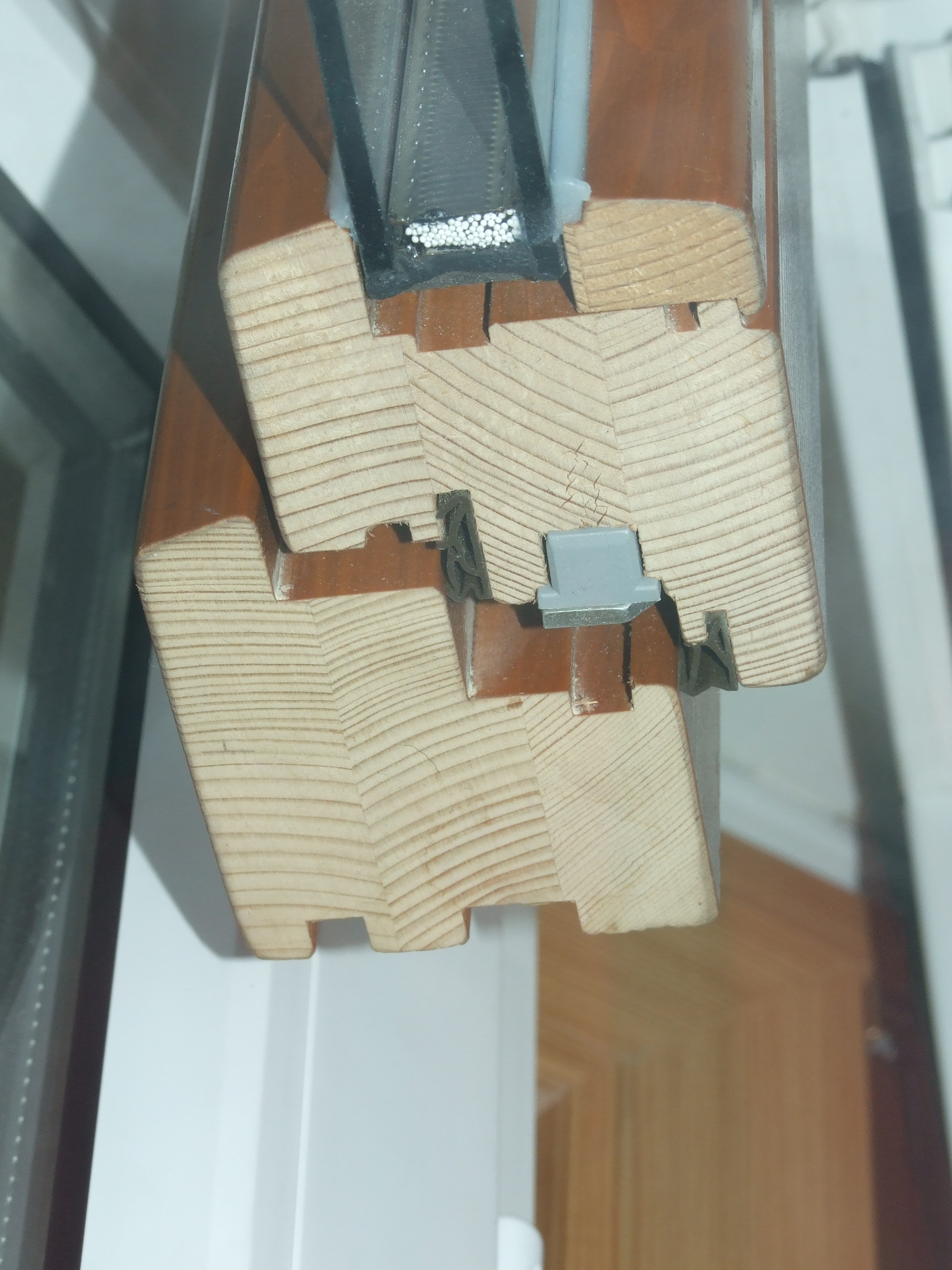
Window Condensation Topics
Three articles covering the causes, ventilation solutions, and glazing options related to window condensation in Canadian residential buildings.
Why moisture forms on the interior glass surface in cold weather, the role of dew point, and what humidity levels to target in Canadian homes.
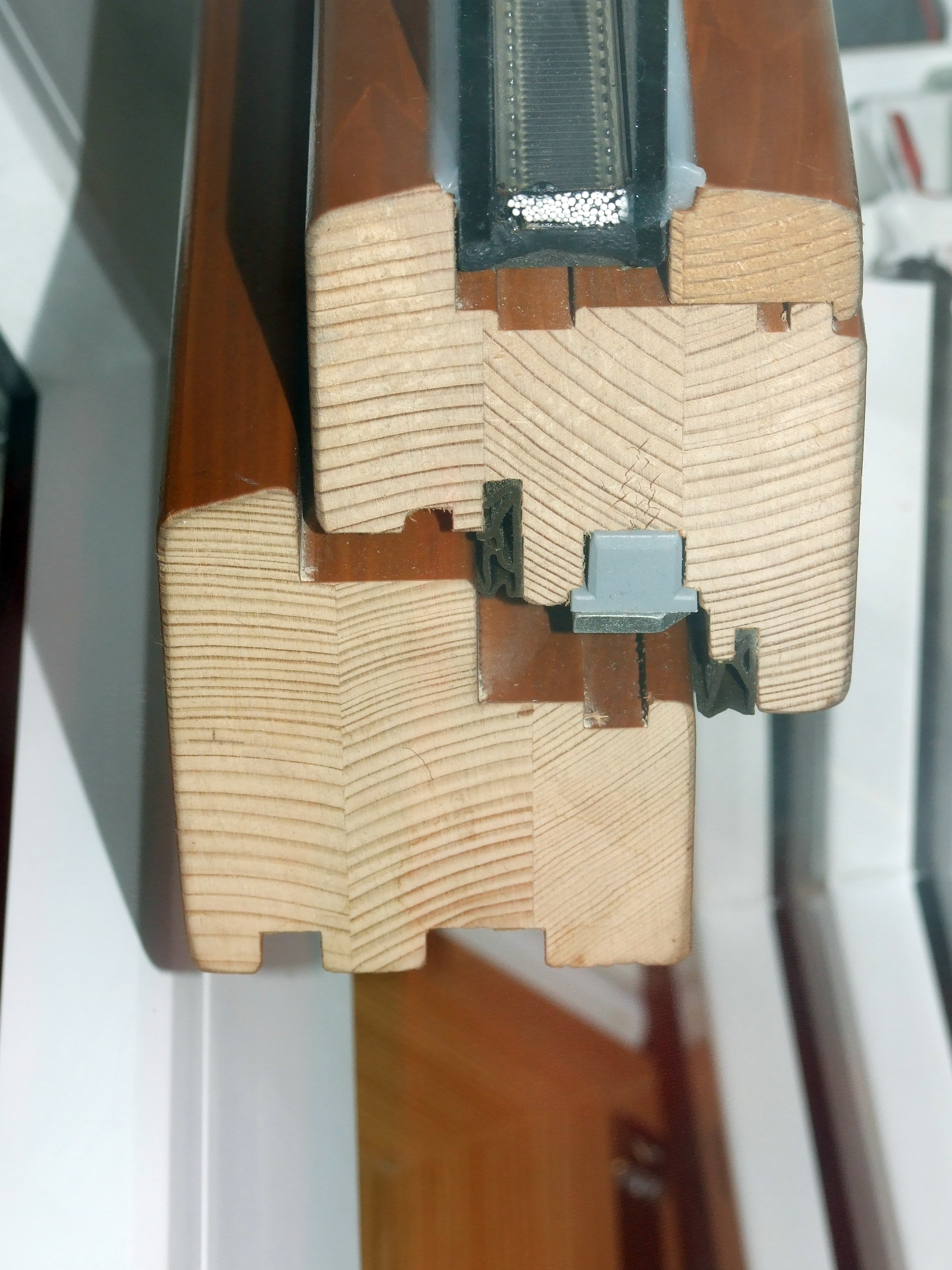
How exhaust fans, HRVs, and controlled fresh air exchange lower indoor relative humidity and reduce condensation on cold surfaces.

How additional glazing layers affect interior glass temperature, condensation risk, and energy performance in cold Canadian climates.
Window Condensation at a Glance
Numbers and concepts that come up regularly when addressing window condensation in Canadian homes.
The generally cited target range for indoor relative humidity in Canadian homes during winter. At the lower end of this range, condensation risk on single-pane and older double-pane windows is reduced significantly.
Standard double-pane windows with low-e coating and argon fill fall in the R-3 to R-4 range. Triple-pane units can reach R-5 to R-8, depending on fills and coatings, raising interior glass temperature in cold conditions.
Condensation forms when the glass surface temperature drops below the dew point of the indoor air. Lowering indoor humidity lowers the dew point; upgrading glazing raises the glass surface temperature. Either approach reduces condensation.
Send a Question
Questions about window condensation, ventilation setups, or glazing options can be submitted below. Common questions may inform future articles.