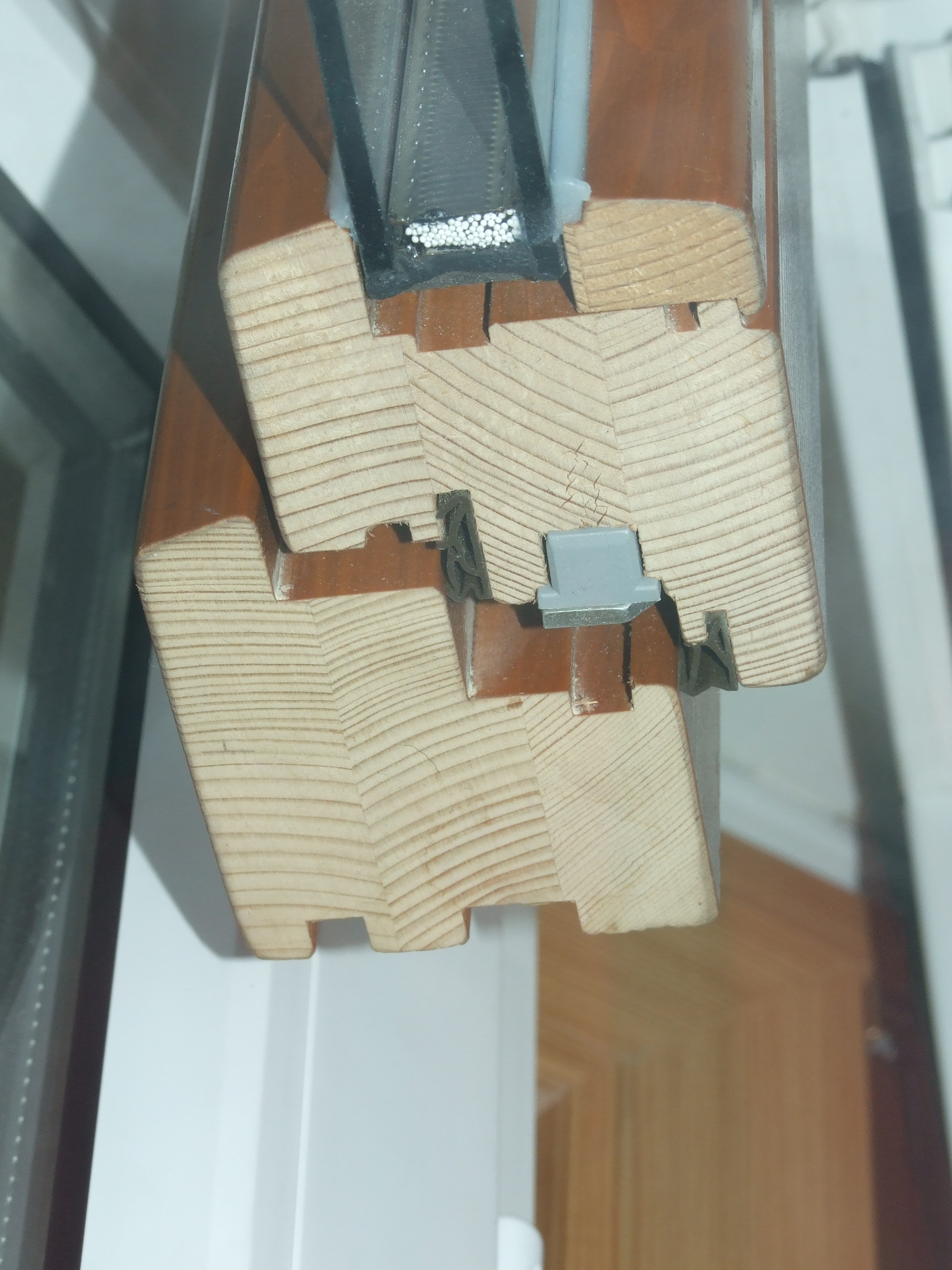
How Glazing Affects Interior Surface Temperature
The condensation behaviour of a window depends on the temperature of its interior glass surface. In a single-pane window, the interior glass surface temperature closely tracks the outdoor temperature — cold outside means cold glass inside. In a double-pane window, the air or gas gap between the panes acts as thermal insulation, raising the interior surface temperature significantly compared to a single-pane unit at the same outdoor temperature. Triple-pane units add a further layer of insulation.
At −20°C outdoors with a typical indoor temperature of 21°C, the interior surface of a standard double-pane window with argon fill and low-e coating may be approximately 12–15°C. The interior surface of a triple-pane window under the same conditions may be approximately 16–18°C. This difference is significant from a condensation standpoint: an interior surface at 15°C can tolerate higher indoor humidity before condensation forms compared to one at 5°C.
U-Value and its Relationship to Condensation
The U-value (or U-factor) of a window measures how readily it conducts heat. Lower U-values mean better insulation. A lower U-value also means a warmer interior glass surface temperature in cold weather, directly reducing condensation risk.
| Window Type | Approximate U-Value (W/m²·K) | Approx. Interior Glass Temp at −20°C outdoor | Condensation Risk |
|---|---|---|---|
| Single pane | 5.8–6.4 | ~0–3°C | High; frost common |
| Double pane (clear) | 2.8–3.4 | ~8–11°C | Moderate; condensation likely at higher RH |
| Double pane (low-e, argon) | 1.4–1.8 | ~12–15°C | Lower; manageable with humidity control |
| Triple pane (low-e, argon/krypton) | 0.6–1.0 | ~16–18°C | Low; suitable for cold Prairie winters |
Low-e Coatings and Gas Fills
Low-emissivity (low-e) coatings are applied to glass surfaces within the sealed unit to reduce heat transfer by radiation. In Canadian cold-climate applications, a coating that reflects interior heat back into the room (hard-coat or soft-coat low-e on the inner pane) is the most common type. This coating primarily improves the energy efficiency of the window but also contributes to raising the interior glass surface temperature slightly.
Gas fills — argon is the most common, krypton in premium triple-pane units — replace the air in the sealed cavity with a less conductive gas. Argon has lower thermal conductivity than air, and krypton lower still. Both reduce heat transfer across the cavity, improving the U-value. Argon-filled double-pane windows are standard in most Canadian new construction; krypton or argon-krypton blends are used in high-performance triple-pane units where the cavity is narrower.
Frame Performance
The condensation behaviour of a window is not determined solely by the glass centre-of-glass U-value. The frame and edge spacer also conduct heat. Metal spacers (aluminum) at the perimeter of the glass unit are significantly more conductive than the gas-filled glass area and create a cold edge on the interior glass surface. Foam or thermally broken spacers (“warm edge” spacers) reduce this effect and raise the interior glass temperature at the perimeter, where condensation often appears first.
Frame material matters as well: wood and fibreglass frames have lower thermal conductivity than aluminum frames, though aluminum frames with thermal breaks perform similarly to fibreglass in most residential applications.
When Triple Pane Makes Sense
Triple-pane windows carry a higher upfront cost than double-pane units. Their condensation and energy benefits are most pronounced in climates with extended periods below −20°C — the Prairie provinces, northern Ontario and Quebec, and northern regions generally. In milder Canadian climates (lower mainland of BC, parts of southern Ontario), the additional cost of triple-pane may not be justified by condensation improvement alone, though energy savings calculations may change this depending on heating fuel costs.
For homes in very cold climates with persistent condensation problems, upgrading from older clear-glass double-pane or single-pane units to modern low-e triple-pane can substantially reduce or eliminate interior condensation at moderate indoor humidity levels without requiring major ventilation changes.
References
Natural Resources Canada provides guidance on window performance ratings and energy efficiency for Canadian climates through the Efficient Housing section of their website. The CMHC also covers window selection in their homeowner guidance at cmhc-schl.gc.ca.