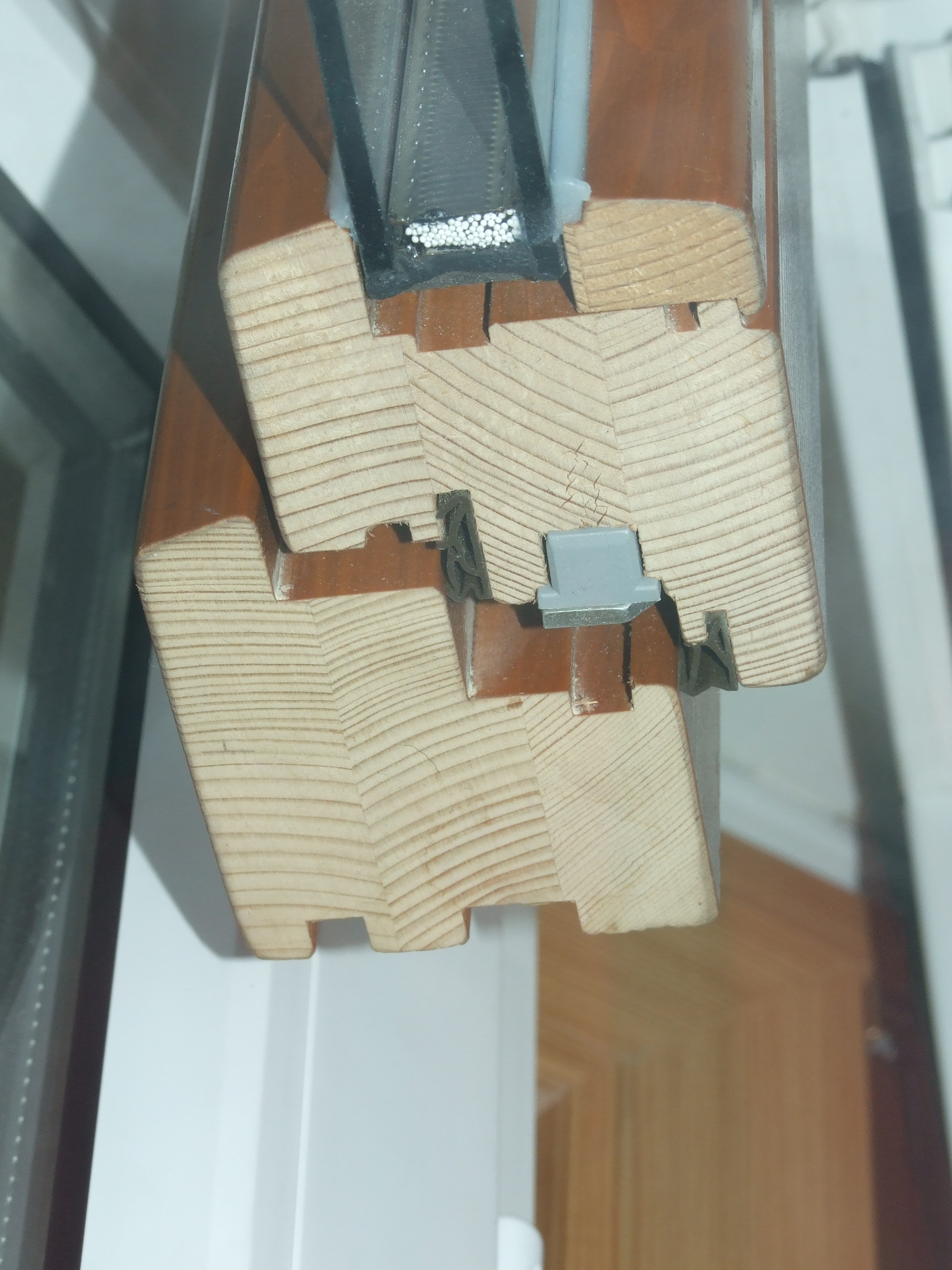
The Mechanism: Dew Point and Glass Surface Temperature
Condensation on a window surface occurs when the glass temperature drops below the dew point of the adjacent indoor air. The dew point is the temperature at which the air becomes saturated with water vapour and moisture begins to deposit on surfaces. It is determined by two factors: indoor air temperature and relative humidity. Higher indoor humidity means a higher dew point, which means condensation can form on warmer surfaces.
In a typical Canadian winter scenario, the interior surface of a single-pane window may reach temperatures of −5°C to −10°C when outdoor temperatures are well below freezing. If the indoor air at 21°C has a relative humidity of 40%, the dew point is approximately 7°C. In this case, the cold window surface is well below dew point and condensation forms readily. If the humidity is reduced to 25%, the dew point drops to approximately −1°C, and condensation on the same window may be reduced or eliminated at moderate outdoor temperatures.
Interior vs. Exterior Condensation
Interior condensation is the more common concern in Canadian homes during winter. It appears as moisture droplets or frost on the inner surface of the glass and is directly related to indoor humidity levels and glass surface temperature. It indicates that indoor humidity is too high for the window’s insulating performance at current outdoor temperatures.
Exterior condensation is the opposite phenomenon: it forms on the outside of the glass on cool mornings when outdoor air is humid and the glass surface is cooler than the outdoor dew point. This is most common on high-performance triple-pane windows with very low U-values, where the interior heat has less influence on the outer pane. Exterior condensation is generally not a concern from a building performance standpoint, though it can obscure the view temporarily.
Between-pane fogging in double or triple-pane units indicates a failed edge seal. Once the inert gas fill (argon or krypton) has been lost and moisture has entered the sealed unit, the fogging is permanent and the unit must be replaced to restore clarity and insulation performance.
Relative Humidity Targets for Canadian Winters
The general guidance for Canadian homes is to maintain indoor relative humidity between 30% and 50% during the heating season. The appropriate level depends partly on the outdoor temperature: as outdoor temperature drops further, indoor humidity should be reduced to prevent condensation on the coldest surfaces (windows and exterior wall corners).
| Outdoor Temperature | Suggested Max Indoor RH | Notes |
|---|---|---|
| −10°C to 0°C | 40–50% | Condensation unlikely on double-pane windows at this range |
| −20°C to −10°C | 35–40% | Standard double-pane windows may show some condensation at higher humidity |
| −30°C to −20°C | 25–35% | Common range for Prairie winters; low humidity essential for older windows |
| Below −30°C | 20–25% | Frost rather than liquid condensation; triple-pane reduces surface temperature differential |
Sources of Indoor Moisture
In a sealed house, indoor humidity accumulates from everyday activities. Cooking without exhaust ventilation, bathing without exhaust fans, indoor plants, and unvented gas appliances all add moisture to the air. In a tight building envelope without mechanical ventilation, this moisture has no exit path except through air leaks and condensation on cold surfaces.
Identifying and reducing moisture sources is the first step before modifying ventilation. A house that produces unusually high humidity even with adequate ventilation may have a specific moisture source — a wet basement, uninsulated cold water pipes, or excessive houseplants — that should be addressed directly.
Measuring Indoor Humidity
A hygrometer (digital or dial-type) measures indoor relative humidity. Most hardware stores in Canada carry inexpensive digital models. Placing one near the window that shows the most condensation provides a useful reference point for whether humidity reduction measures are having effect. An HRV controller with a built-in humidistat can automate ventilation in response to indoor humidity levels.